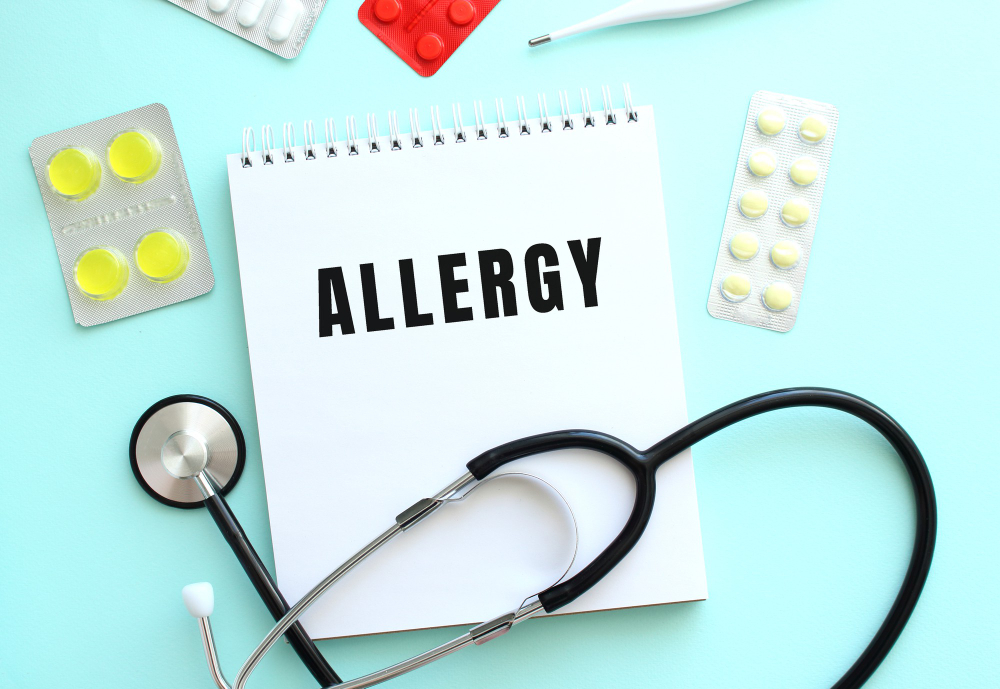
What Are Drug Allergies?
Drug allergies happen when your body reacts to a medicine as if it is harmful. This reaction is caused by your immune system. For some people, even a small amount of medicine can trigger a drug allergy. Drug allergies are different from side effects or drug intolerance. While side effects are common and expected, allergies are not. According to the CDC, drug allergies can affect people of all ages. However, not everyone who takes medicine will have an allergy.
Common Symptoms of Drug Allergies
Symptoms of drug allergies can appear soon after taking a medicine. Sometimes, they may show up hours or even days later. Because symptoms can vary, it is important to know what to look for. Common drug allergy symptoms include:
In rare cases, a severe reaction called anaphylaxis can occur. This is a medical emergency. Signs include trouble breathing, swelling of the throat, fast heartbeat, and dizziness. If you notice these symptoms, seek help right away.
Causes and Risk Factors
Drug allergies happen when your immune system mistakes a medicine for a harmful substance. As a result, your body releases chemicals like histamine. This causes allergy symptoms. Several factors can increase your risk of drug allergies. For example, you may be at higher risk if you:
Some medicines are more likely to cause allergies. These include antibiotics like penicillin, pain relievers such as aspirin, and some seizure medicines. However, any medicine can cause an allergy.
How Drug Allergies Are Diagnosed
Doctors use several steps to diagnose drug allergies. First, they will ask about your symptoms and medical history. Next, they may do a physical exam. In some cases, your doctor may suggest allergy tests. These can include:
Sometimes, doctors may use a drug challenge. This means you take a small dose of the medicine under close supervision. However, this is only done in a safe setting. Not all drug allergies can be confirmed with tests. Therefore, your doctor will use your history and symptoms to help make a diagnosis.
Treatment Options for Drug Allergies
If you have a drug allergy, the first step is to stop taking the medicine. Your doctor will help you find a safe alternative. For mild symptoms, treatment may include:
For severe reactions, such as anaphylaxis, emergency treatment is needed. This may include an injection of epinephrine and hospital care. After a reaction, your doctor may give you an emergency kit to carry. Always tell your healthcare providers about your drug allergies. This helps prevent future reactions.
Prevention and Lifestyle Tips
While you cannot always prevent drug allergies, you can lower your risk. Here are some helpful tips:
In some regions, certain medicines are more likely to cause allergies. Therefore, always check with your local healthcare provider for advice that fits your area.
When to See a Doctor
If you think you have a drug allergy, contact your doctor. Early treatment can help prevent serious problems. Seek emergency care if you have:
These signs may mean a severe reaction. Quick action can save lives.
In summary, drug allergies can be serious but are manageable with the right care. Consult a healthcare professional for personalized advice on drug allergies.