Introduction
Dyslipidemia means having abnormal levels of fats in your blood. These fats include cholesterol and triglycerides. Because dyslipidemia often has no clear signs, many people do not know they have it. However, it can raise your risk for heart disease and stroke. For this reason, learning about dyslipidemia is important for your health. In this blog, you will find answers to common questions like “What are dyslipidemia symptoms?” and “How is dyslipidemia diagnosed?”
Symptoms of Dyslipidemia
Most people with dyslipidemia do not notice any symptoms. In fact, the condition is often found during routine blood tests. However, sometimes, high cholesterol or triglyceride levels can cause signs such as:
Still, these symptoms are rare. Therefore, regular check-ups are key to finding dyslipidemia early.
Causes and Risk Factors
Dyslipidemia can have many causes. Sometimes, it runs in families. But often, lifestyle plays a big role. Here are some common causes and risk factors:
Because these factors can add up, making healthy choices is important for everyone.
Diagnosis Methods
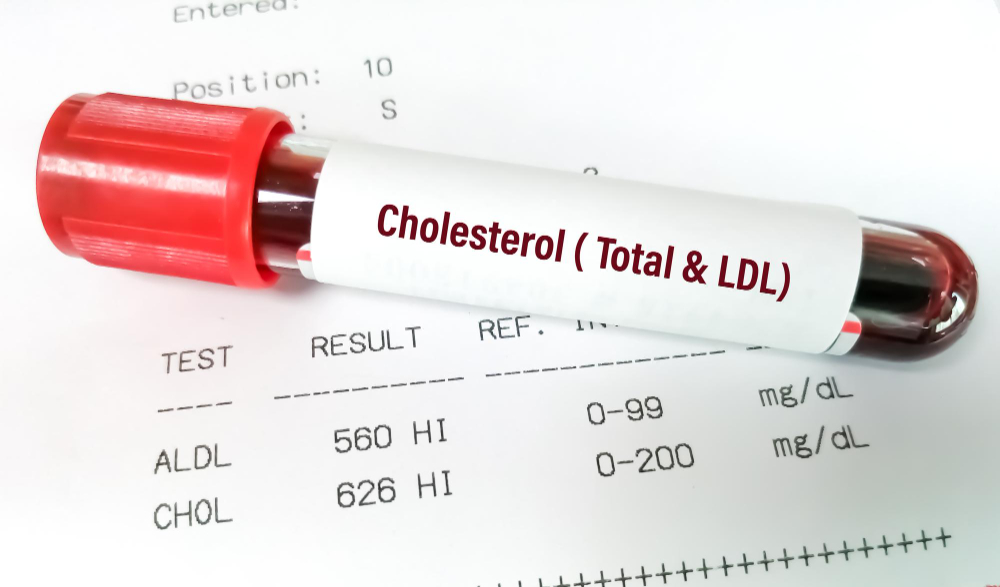
Doctors diagnose dyslipidemia with a simple blood test called a lipid panel. This test measures:
Usually, you need to fast for 9 to 12 hours before the test. After the results, your doctor will explain what your numbers mean. If you wonder “how is dyslipidemia diagnosed,” remember that regular testing is the best way to find it early.
Treatment Options
Treating dyslipidemia often starts with lifestyle changes. However, some people may also need medicine. Here are common dyslipidemia treatment options:
Lifestyle Changes
Medications
Because each person is different, your doctor will help choose the best treatment for you.
Prevention Tips
Preventing high cholesterol and dyslipidemia is possible. Even small changes can make a big difference. Try these tips:
Because prevention is easier than treatment, start healthy habits early.
Lifestyle Guidance for Managing Dyslipidemia
Once you know you have dyslipidemia, daily choices matter. For example, plan meals ahead to avoid unhealthy snacks. Also, try walking after meals or joining a fitness group. If you smoke, ask your doctor about ways to quit. Remember, even small steps can help lower your cholesterol over time. Support from family and friends can also make changes easier.
When to See a Doctor
It is important to see a doctor if you have risk factors for dyslipidemia. For instance, if you have a family history or other health problems, ask about testing. Also, see your doctor if you notice any unusual symptoms, such as chest pain or yellow bumps on your skin. Regular check-ups help catch problems early, even if you feel fine.
In summary, dyslipidemia is a common but serious health issue. Because it often has no symptoms, regular testing and healthy habits are key. For personalized advice on dyslipidemia management, consult a healthcare specialist.
Sources: Centers for Disease Control and Prevention (CDC), World Health Organization (WHO), PubMed