What is Pneumonia?
Pneumonia is a lung infection that can make it hard to breathe. It happens when germs, such as bacteria, viruses, or fungi, enter the lungs. As a result, the air sacs in the lungs fill with fluid or pus. This makes it tough for oxygen to reach the blood. Anyone can get pneumonia, but it is more common in children, older adults, and people with weak immune systems. In the United States, pneumonia is a leading cause of hospital visits for respiratory infections. According to the CDC, millions of people get pneumonia each year.
Common Causes of Pneumonia
Pneumonia can develop for several reasons. However, the most common causes are:
Sometimes, people can get pneumonia after breathing in food, liquid, or vomit. This is called aspiration pneumonia. In addition, crowded places and smoking can increase the risk.
Symptoms of Pneumonia
Pneumonia symptoms can range from mild to severe. For example, some people may feel only a little sick, while others may need hospital care. Common symptoms include:
Sometimes, people may also have nausea, vomiting, or diarrhea. If you notice these signs, it is important to pay attention to your health.
How is Pneumonia Diagnosed?
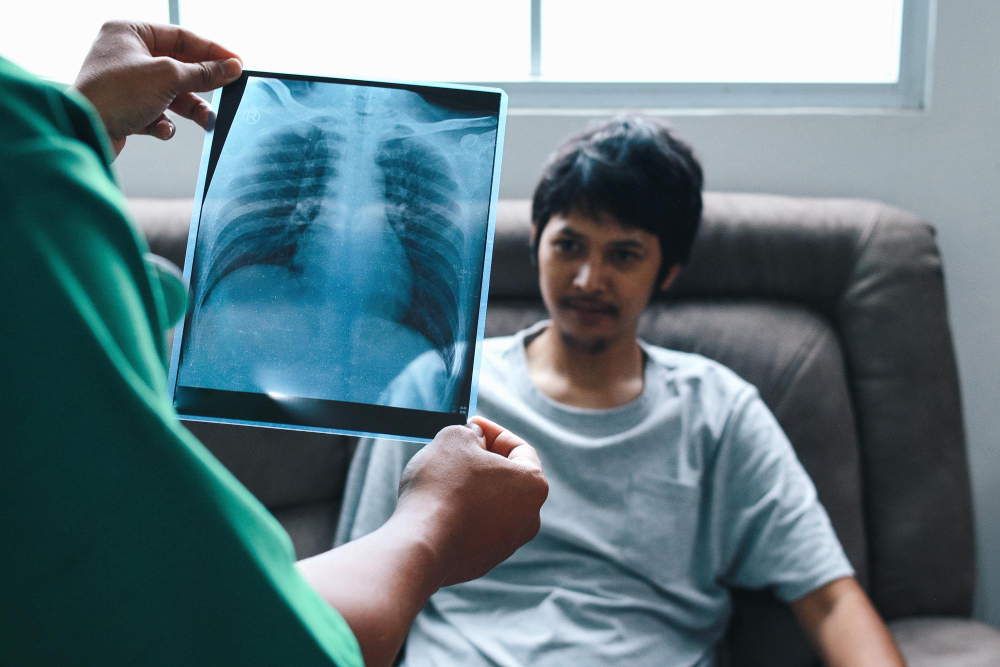
Doctors use several steps to diagnose pneumonia. First, they ask about your symptoms and medical history. Then, they listen to your lungs with a stethoscope. Often, doctors order a chest X-ray to look for infection. In some cases, they may do blood tests or check your mucus. These tests help find the cause of pneumonia. According to the CDC, early diagnosis can lead to better outcomes.
Treatment Options for Pneumonia
Treatment depends on the cause and how sick you are. Most people can recover at home, but some may need hospital care. Common treatments include:
Usually, people start to feel better in a few days. However, full recovery can take weeks. Always finish your medicine, even if you feel better early.
Prevention Tips for Pneumonia
There are many ways to lower your risk of pneumonia. For example, you can:
In addition, following your doctor’s advice can help prevent respiratory infections.
When to See a Doctor
Sometimes, pneumonia can become serious. You should see a doctor if you have:
Early treatment can prevent problems. Therefore, do not wait if you feel very sick.
Consult a healthcare provider for personalized advice about pneumonia.