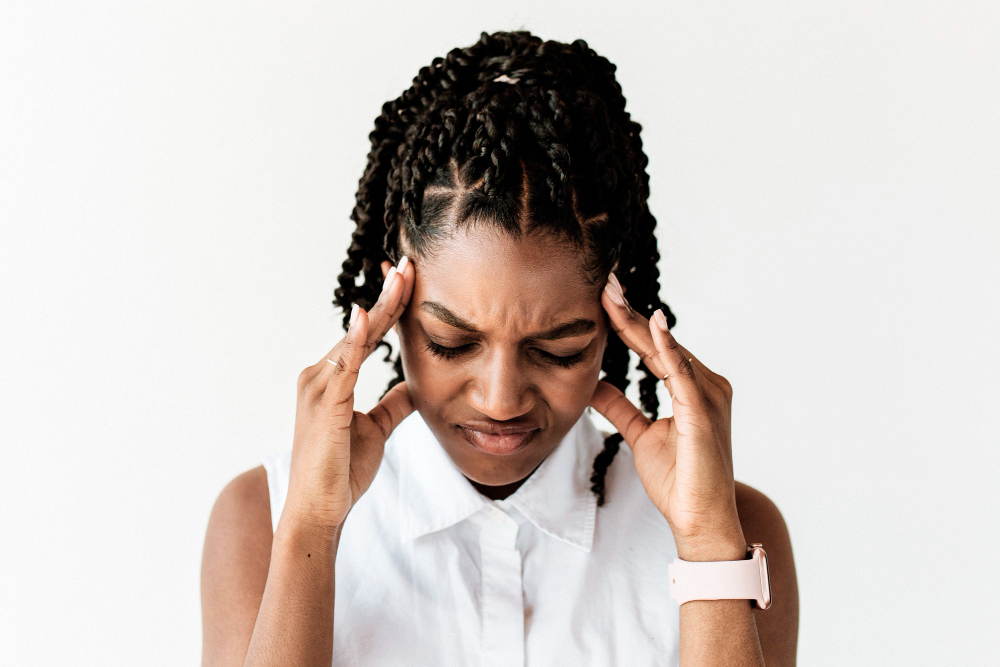
What is a Cluster Headache?
A cluster headache is a severe type of headache. It often causes intense pain on one side of the head. Usually, the pain centers around the eye. Unlike other headaches, cluster headaches come in cycles or “clusters.” For example, you may have several headaches in a day for weeks or months. Then, you may have a long period without any headaches. Because cluster headache pain is so strong, it can affect daily life. According to experts, cluster headaches are less common than migraines, but they are more painful. Understanding cluster headache symptoms and treatment can help you manage this condition.
Common Symptoms of Cluster Headache
Cluster headache symptoms are unique. They usually start suddenly and last from 15 minutes to 3 hours. Most people feel pain on one side of the head. However, other symptoms can also appear. For example, you may notice changes around your eye or nose. Below are common signs:
Sometimes, people also feel sensitive to light or sound. But, these are less common than with migraines.
Causes and Risk Factors
Doctors do not know the exact cause of cluster headaches. However, they believe changes in the brain play a role. The hypothalamus, a part of the brain, may be involved. Still, several risk factors can increase your chances. For instance, men are more likely to get cluster headaches than women. Also, most people develop them between ages 20 and 50. Other risk factors include:
While these factors can raise your risk, anyone can get cluster headaches.
How Cluster Headache is Diagnosed
Doctors use your symptoms and medical history to diagnose cluster headache. There is no single test for this condition. However, your doctor may ask about your pain, how often it happens, and how long it lasts. In some cases, they may order tests to rule out other causes. For example, you might need a brain scan or blood tests. These tests help make sure your headaches are not due to another problem. If you wonder how to diagnose cluster headache, talking with a doctor is the best first step.
Treatment Options for Cluster Headache
Cluster headache treatment aims to reduce pain and prevent future attacks. Because the pain is severe, fast relief is important. Your doctor may suggest:
Early treatment can help shorten attacks. However, always follow your doctor’s advice for the best results.
Lifestyle Tips and Prevention
While you cannot always prevent cluster headaches, some lifestyle changes may help. For instance, keeping a headache diary can help you spot triggers. In addition, consider these tips:
Although these steps may not stop every attack, they can reduce how often headaches occur.
When to See a Doctor
Cluster headaches can be very painful. Therefore, you should see a doctor if you have sudden, severe headaches. Also, seek help if your headaches change or get worse. Sometimes, other health problems can cause similar pain. For this reason, a doctor can help find the cause and suggest the right treatment. If you or someone you know experiences symptoms of cluster headache, consult a healthcare professional for personalized advice.