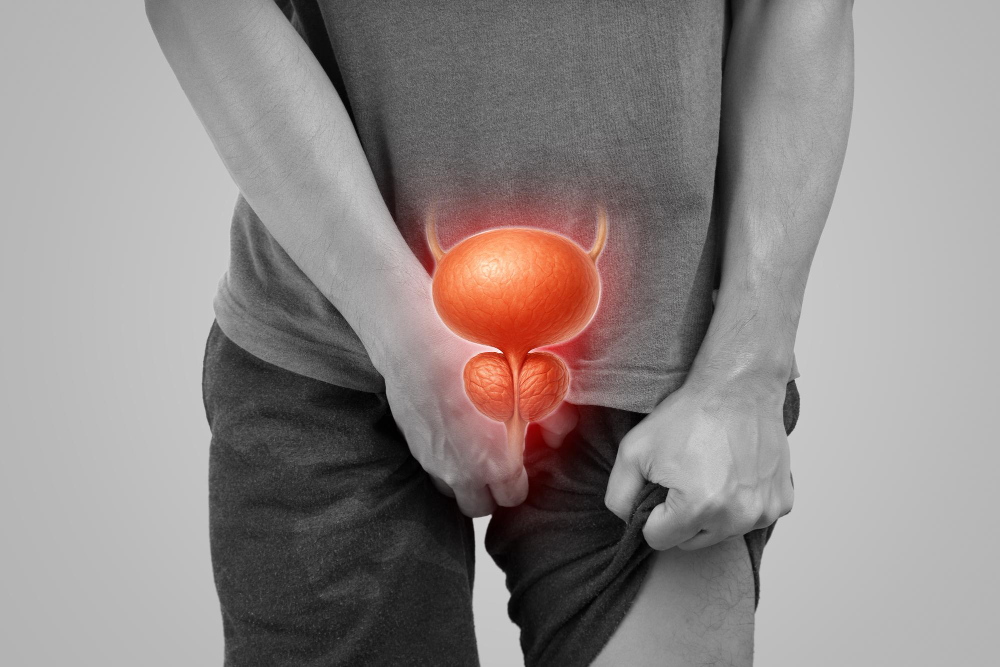
What Is Urosepsis?
Urosepsis is a serious infection that starts in the urinary tract and spreads to the blood. This condition can become life-threatening if not treated quickly. The urinary tract includes the kidneys, bladder, and tubes that carry urine. When bacteria from a urinary tract infection (UTI) enter the bloodstream, they can cause urosepsis. Early recognition of urosepsis symptoms, understanding its causes, and knowing about urosepsis treatment can save lives. According to the World Health Organization (WHO), sepsis is a leading cause of death worldwide, and urosepsis is a common type.
Common Symptoms of Urosepsis
Recognizing urosepsis early is very important. Symptoms can appear suddenly and get worse fast. For example, you may notice:
Sometimes, symptoms may look like a regular UTI at first. However, if you feel very sick or confused, seek help right away. Early action can prevent serious problems.
Causes and Risk Factors
Urosepsis usually starts with a urinary tract infection. Bacteria enter the urinary tract and multiply. If the infection is not treated, it can spread to the blood. Several factors can increase your risk, such as:
In addition, women are more likely to get UTIs, but both men and women can develop urosepsis. People living in areas with limited access to healthcare may also face higher risks.
How Urosepsis Is Diagnosed
Doctors use several steps to diagnose urosepsis. First, they ask about your symptoms and medical history. Next, they may perform a physical exam. To confirm the diagnosis, doctors often order tests, such as:
Because urosepsis can get worse quickly, doctors usually start treatment right away, even before all test results are back. Early diagnosis is key to better outcomes.
Treatment Options for Urosepsis
Treating urosepsis is urgent. Doctors usually admit patients to the hospital for close care. Treatment often includes:
Sometimes, patients need care in an intensive care unit (ICU). With quick treatment, many people recover. However, delays can lead to organ failure or even death.
Prevention Tips and Lifestyle Guidance
Preventing urosepsis starts with avoiding urinary tract infections. You can lower your risk by following these tips:
In some areas, access to clean water and healthcare may be limited. Therefore, extra care is needed to prevent infections. Early treatment of UTIs can stop them from turning into urosepsis.
When to Seek Medical Help
If you notice signs of a UTI, such as burning during urination or cloudy urine, see your doctor soon. However, if you develop high fever, confusion, or severe pain, seek emergency care right away. Urosepsis can get worse in hours. Quick action can save your life.
If you suspect urosepsis, consult a healthcare professional immediately for personalized care.