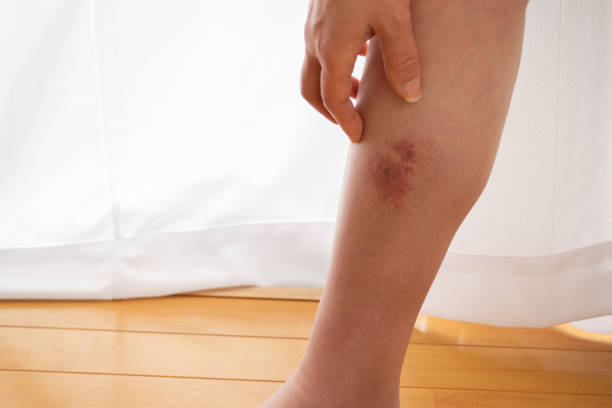
Cellulitis is a common skin infection. It happens when bacteria enter the skin through a cut, scrape, or crack. Often, cellulitis affects the legs, but it can occur anywhere on the body. In the US, cellulitis in adults is seen often. The infection can spread quickly if not treated. Because of this, early care is important.
Common Symptoms of Cellulitis
Cellulitis symptoms can appear suddenly. You may notice changes in your skin. For example, the area may look red or swollen. It may also feel warm or tender. Sometimes, you might see blisters or develop a fever. Watch for these signs:
If you notice these symptoms, seek medical help quickly. Early treatment can prevent serious problems.
Causes and Risk Factors
Cellulitis is usually caused by bacteria. The most common types are Streptococcus and Staphylococcus. These germs enter through breaks in the skin. Even a small cut or insect bite can let bacteria in. However, some people are more at risk. For instance, you may have a higher chance if you:
Because of these risks, it is important to care for your skin and treat wounds quickly.
How Cellulitis is Diagnosed
Doctors diagnose cellulitis by looking at your skin. They may ask about your symptoms and health history. Sometimes, they will check your temperature or feel for swollen glands. In some cases, a blood test or skin sample may be needed. However, most of the time, a physical exam is enough. If the infection is severe, your doctor may order more tests to check for deeper problems.
Treatment Options
Cellulitis treatment usually starts with antibiotics. Most people take pills at home. However, if the infection is severe, you may need medicine through a vein in the hospital. It is important to take all your medicine, even if you feel better. In addition, you should:
If you do not improve after a few days, contact your doctor. Sometimes, the infection can spread or cause other problems.
Prevention Tips and Lifestyle Guidance
You can lower your risk of cellulitis by caring for your skin. For example, always clean cuts and scrapes right away. Use soap and water, then cover the wound. In addition, follow these tips:
Because cellulitis can return, it is important to stay alert. Good skin care can help prevent future infections.
When to Seek Medical Help
Sometimes, cellulitis can become serious. Seek medical help right away if you notice:
Early treatment can prevent complications. Do not wait if you are unsure. It is always better to ask your doctor.
Conclusion
Cellulitis is a serious skin infection, but it can be treated. Because symptoms can get worse quickly, early care is key. If you think you have cellulitis, consult a healthcare professional for personalized advice on cellulitis.